Opens the Podcast Law and Economy with Ana Frazão: Economic History of Brazil, with André Arruda Villela.

In the episode, Ana Frazão talks with André Arruda Villela, PhD in Economic History at the University of London (1999) and Professor at the School of Graduate in Economics/Foundation Getulio Vargas – RJ. The teacher addresses the greatest findings that economic history provides to better understand the economic reality of Brazil, making a critical analysis of the Brazilian economic institutions and the problems of trajectory dependence. Among the topics explored are the periods of greater growth and economic development in Brazil and its main reasons, the current diagnosis of the Brazilian economy, including the problem of low productivity, the failures and limitations of industrial policies and the appropriate arrangements between the state and the market.

To listen click on the following link: https://open.spotify.com/episode/046ulR6WGnLxxdNtN7qgca

Ana Frazão column in Jota of 17/09: The urgent need to slow down the progress of the AI – The recent and unexpected consensus on the importance of containing the serious risks already mapped.

New column in JOTA analyses the unexpected consensus between Gates, Bengio, Amodei, Altman and Musk on the risks of AI — and why it makes regulation unstoppable.

In eighteen days, the names that gained the most from artificial intelligence publicly admitted that technology became dangerous. In the column Constitution, Company and Market published in the JOTA on 17 September, Ana Frazon goes through this turn — of the manifesto "We Must Act Now", signed by more than 400 economists and researchers, to the resignation of the researcher of Anthropic who estimates by more than 10% the risk of extinction of humanity, until the appeal of Darius Amodei for a coordinated deceleration, endorsed by Sam Altman and Elon Musk.

The columnist argues that the discussion on if The AI must be regulated is overcome: it remains to be defined como. Using Ezrachi and Stucke's argument in Competition Overdose, shows that competition without clear rules leads economic agents to create excessive risks and negative externalities — exactly what is observed today in the AI market. Self-regulation, in addition to the democratic deficit, runs counter to competitive risks. For Ana Frazão, domestic regulations such as PL 2338 and international cooperation are the only alternatives compatible with the urgency of the theme: "this is not a mere market problem, but a problem of the states and of humanity itself".

To read in full, visit: https://www.jota.info/opiniao-e-analysis/columns/company-and-market/a-urgent-need-of-acceleration-of-the-advance

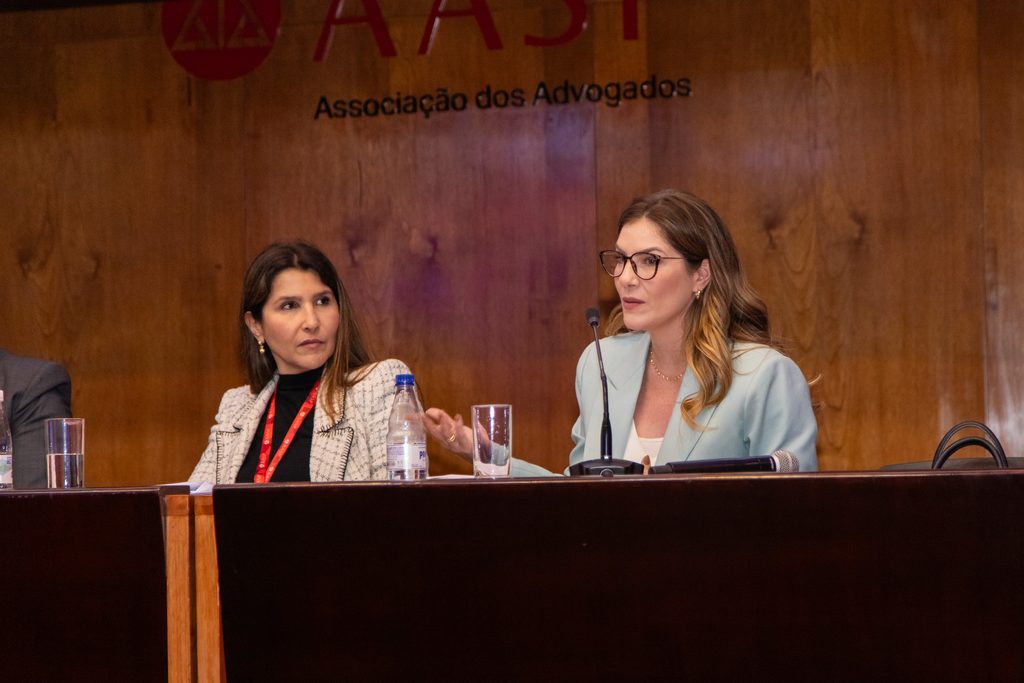
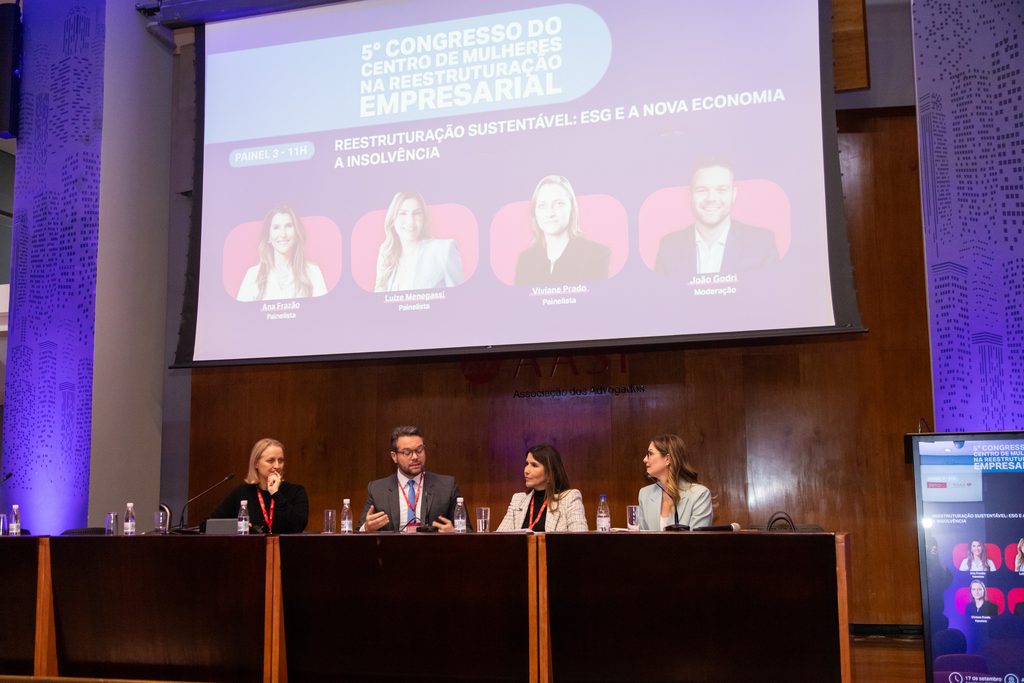
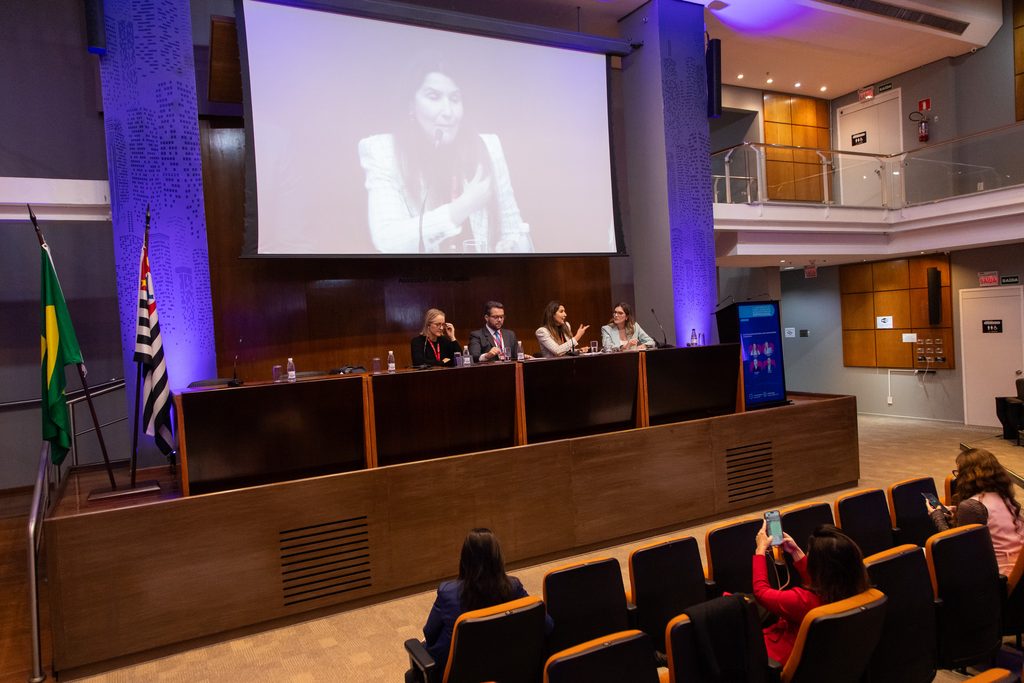
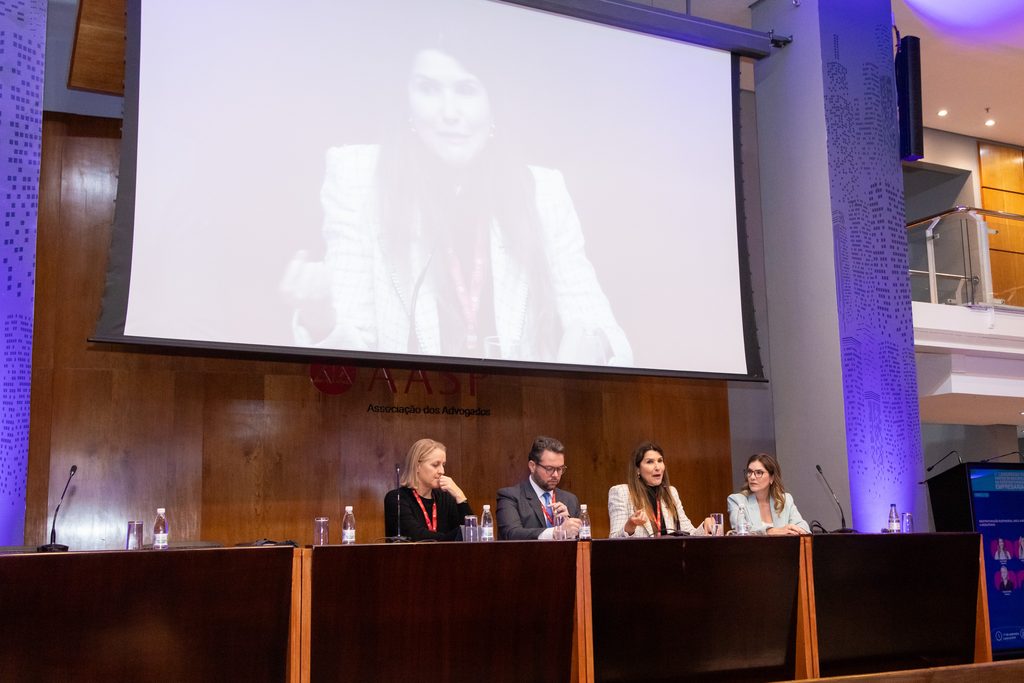
Ana Frazão participates in the 5th Congress of the women's center in corporate restructuring.

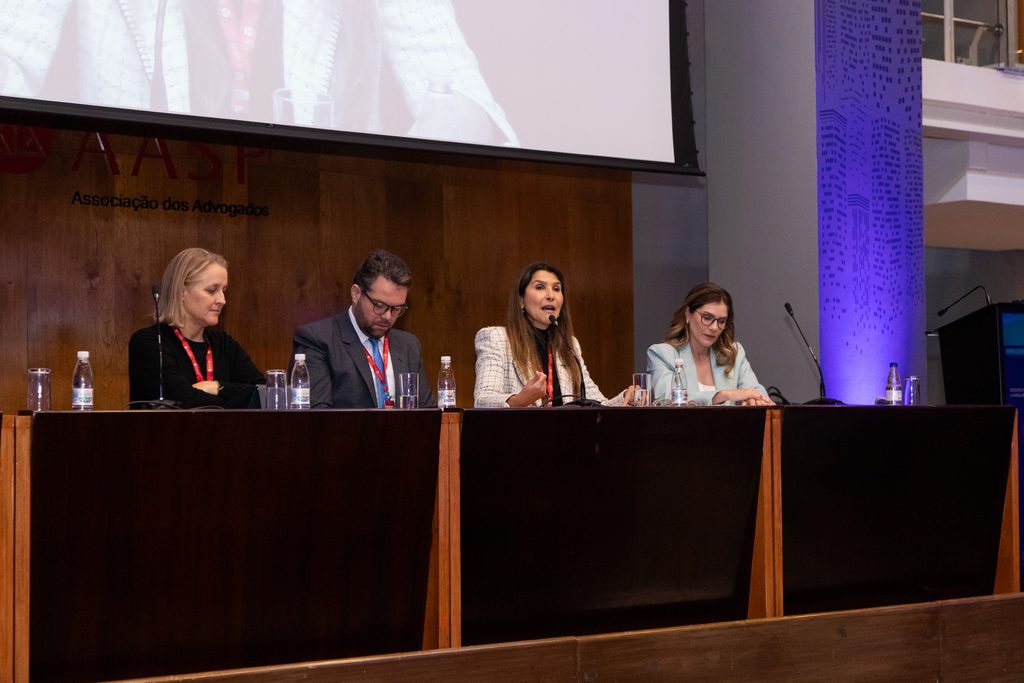
Teacher integrates panel on ESG and the new economy in insolvency, in congress promoted by AASP and CMR in São Paulo

Professor Ana Frazão is one of the speakers of the 5th Congress of the Center for Women in Business Restructuring, held by the Association of Lawyers of São Paulo (AASP) in partnership with the CMR, on September 17, at the headquarters of the AASP – Unit Center, in São Paulo. The meeting brings together lawyers and lawyers, magistrates, teachers and national and foreign experts for a full day of debates on insolvency and corporate restructuring.

His participation takes place at 11 am, in the panel "Sustainable Restructuring: ESG and the New Economy in Insolvency", which he shares with Luize Menegassi and Viviane Prado, in moderation of João Godri. The theme brings together two agendas that are usually treated separately: on the one hand, the environmental, social and governance criteria that today guide the evaluation of companies and access to finance; on the other hand, the right of the crisis, in which the preservation of the activity and the allocation of losses among creditors impose difficult choices. It is therefore argued to what extent sustainability commitments survive — and how they should be considered — when the company enters the restructuring process.

The congress' programming also covers the relationship between law and economy in the analysis of business viability, modification and termination of essential contracts in judicial recovery, bankruptcy as an efficient capital allocation instrument, transnational insolvency in multinational groups, debt management tools and pre-insolvency negotiation, the responsibility of partners and administrators in the company crisis and the financing of agribusiness. The event has Ruth Manus opening lecture and closing with Maria Cristina Zucchi and Paula Andréa Forgioni.

Service:

  • Realization: AASP and Women's Center for Business Restructuring (CMR)
  • Date: September 17, from 8:30 to 5:30
  • Location: AASP – Unit Centro, Rua Álvares Penteado, 151 – São Paulo (SP)
  • Format: in person
  • Full programming and registration: https://participe.aasp.org.br/5-congress-women-enterprise/

Ana Frazão participates in the 4th Mining Congress of Business Law.

Teacher debate recovery and tracking of panel assets on technology, international cooperation and credit effectiveness.

Professor Ana Frazão is part of the program of the IV Mineiro Congress of Business Law, promoted by OAB-MG through the Commission of Business Law, on 16 and 17 September 2026, in Belo Horizonte. The meeting brings together magistrates, lawyers, academics and authorities for two days of debates on the topics that today mobilize the most business practice.

The participation of Ana Frazão takes place on Wednesday (16), from 11h to 11h30, in the panel "Recovery and Tracking of Assets: technology, international cooperation and effectiveness of credit", which divides with the lawyer Breno Cardoso (MG). The theme lies in one of the most sensitive points of credit protection: the distance between judicial recognition of the law and its effective satisfaction, in a scenario of increasingly digital, dispersed and transnational assets — this puts in the foreground both the technological tracking tools and the mechanisms of cooperation between jurisdictions.

The congress program also covers taxation of income and tax reform, corporate franchise, judicial recovery and bankruptcy, corporate planning and succession in family companies, mergers and acquisitions, corporate governance, compliance and ESG, corporate litigation, arbitration, industrial property and corporate leases. Among the participants is Minister João Otávio de Noronha, of the Superior Court of Justice, which gives lecture on the morning of the 17th.

  • Service
  • Performance: OAB-MG — Commission on Business Law
  • Dates: 16 and 17 September 2026, from 8am
  • Location: Renaissance Work Center — Belo Horizonte (MG)
  • Format: in-person, with certificate of 20 hours-class
  • Registration: R$ 200.00 in the first batch, by OAB-MG website
  • Full programming and registration: https://www.oabmg.org.br/Agenda/Event/3932

Ana Frazão column in Jota 10/09: Corporate civil liability in the face of uncertainties – The relationship between the precautionary principle and the duty of care.

Following the previous column, Ana Frazão analyzes the relationship between the precautionary principle and the duty of care. The article discusses the challenges of extending civil liability to damages that escape the usual notions of risk — frequent scenario in Environmental Law and regulation of artificial intelligence — and presents, from the original wording of PL 2338/23, an intermediate criterion: responsibility for uncertainties that can already be considered based on incipient, incomplete or speculative evidence.

Link: Corporate civil liability in the face of uncertainties – The relationship between the precautionary principle and the duty of care.

Ana Frazão's column in the 3/09 Jota: Corporate civil responsibility and duty of care – Progressively, the duty of care assumes the role of the guiding thread of subjective civil responsibility as the objective.

In her column in JOTA, Ana Frazão discusses the distinction between subjective and objective civil responsibility and shows that the duty of care has become a common element in both modalities. The article examines why the risk-based liability does not dispense with the analysis of the entrepreneur's conduct, points the reservations to the so-called comprehensive risk and deals with the relevance of predictability and the calculation of the damage for the delimitation of the risk itself. Link: https://www.jota.info/opiniao-e-analysis/columns/company-and-market/business-civil liability-and-care https://www.jota.info/opiniao-e-analysis/columns/company-and-market/business-civil liability-and-care

Open Poscast Law and Economy with Ana Frazão: Growth and economic development in Brazil, with Samuel Pessoa.

In the episode, Ana Frazão talks with Samuel Pessoa, Associate Researcher of FGV IBRE and BTG Practical and Columnist of Folha de SP. Based on an opposition between orthodox and heterodox views, the interviewee explains, in a very didactic way, fundamental questions for the Brazilian debate, such as (i) the differences between growth and economic development and to what extent the reduction of inequality is related to the two questions, (ii) the reasons why Brazil does not grow, as well as the real growth prospects, (iii) the problem of the low productivity of the Brazilian economy and (iv) the relations between state and market, including for the purpose of conducting a critical analysis of the role of industrial policies in Brazil. The teacher still makes a brief analysis of the economic results of the Lula 3 government and maps some of the concerns that need to guide the economic debate in Brazil.

To listen click here: https://open.spotify.com/episode/5rGQefI1VfbbJQKhcMubFh