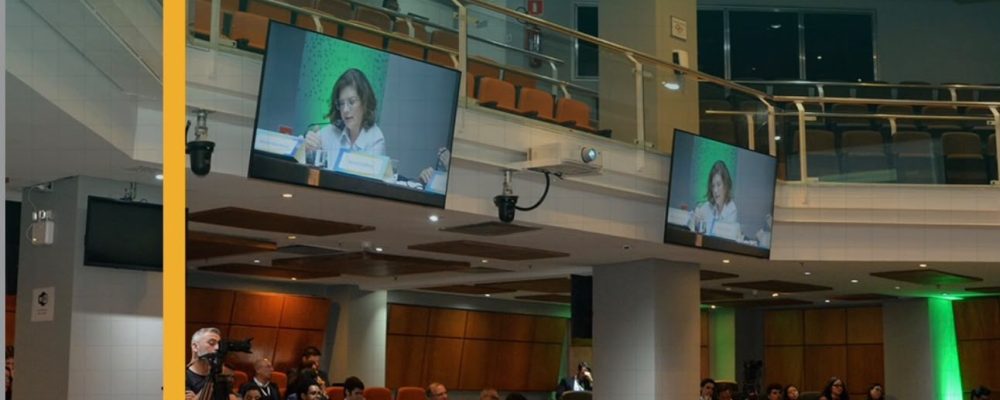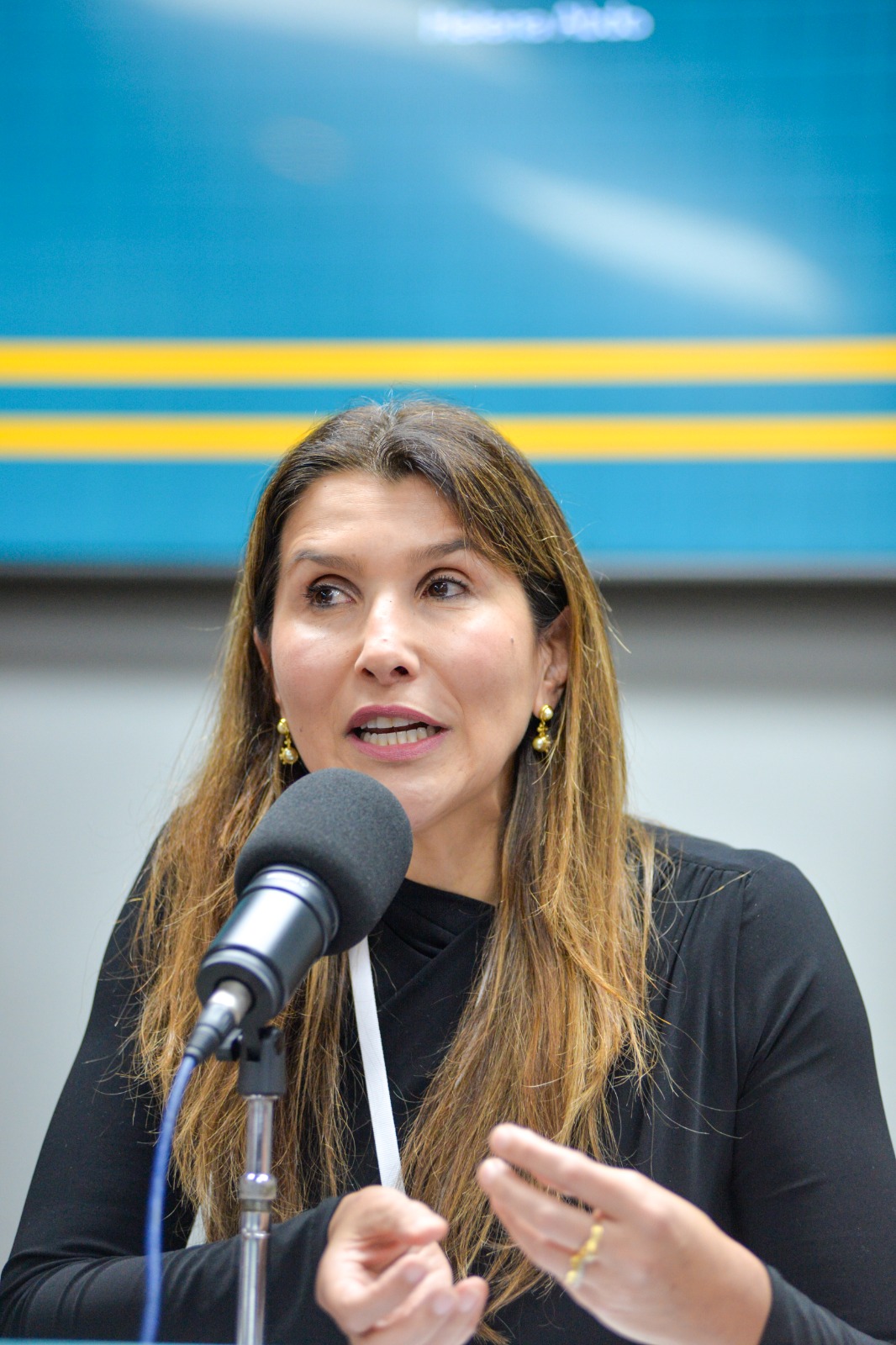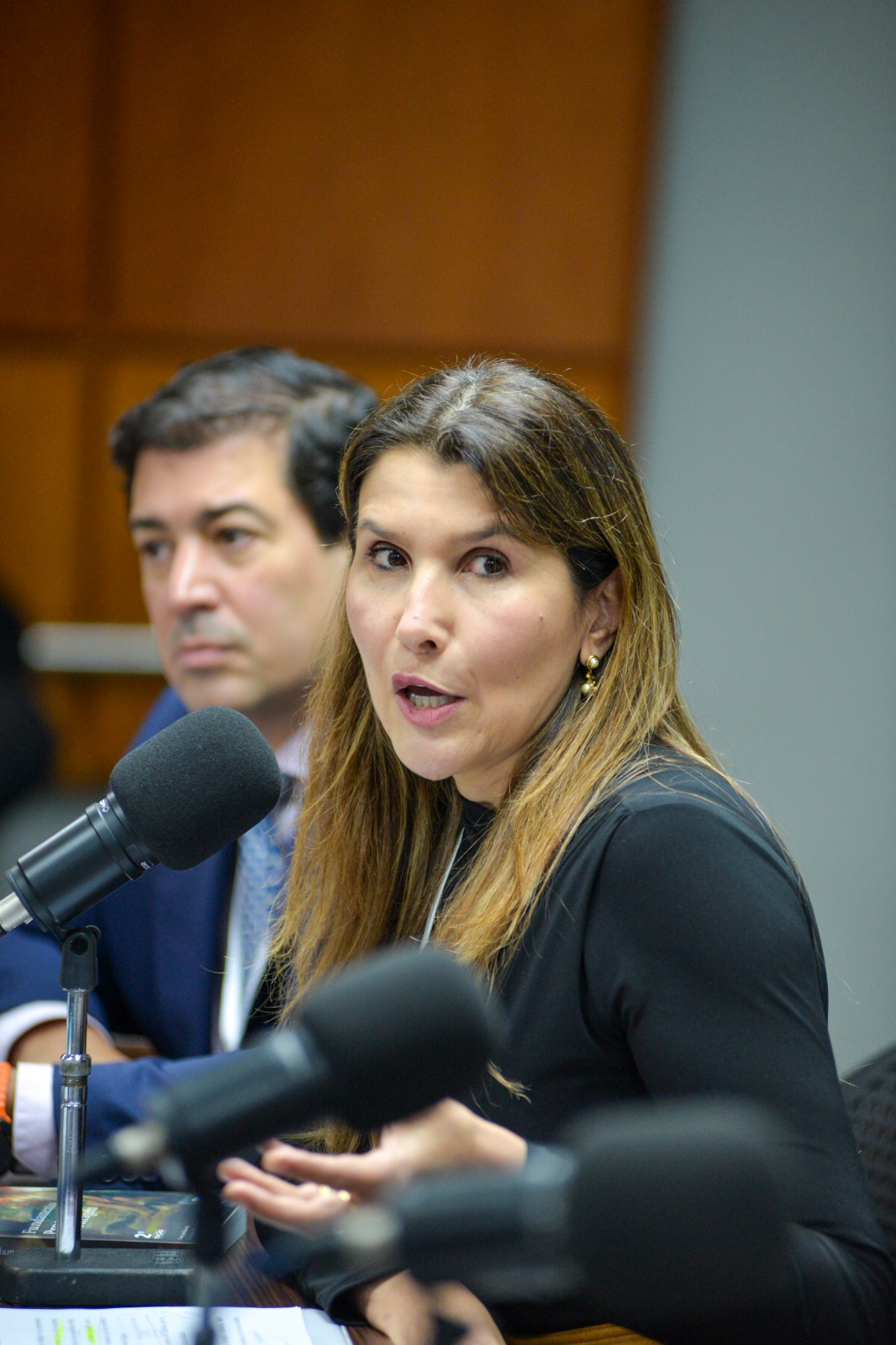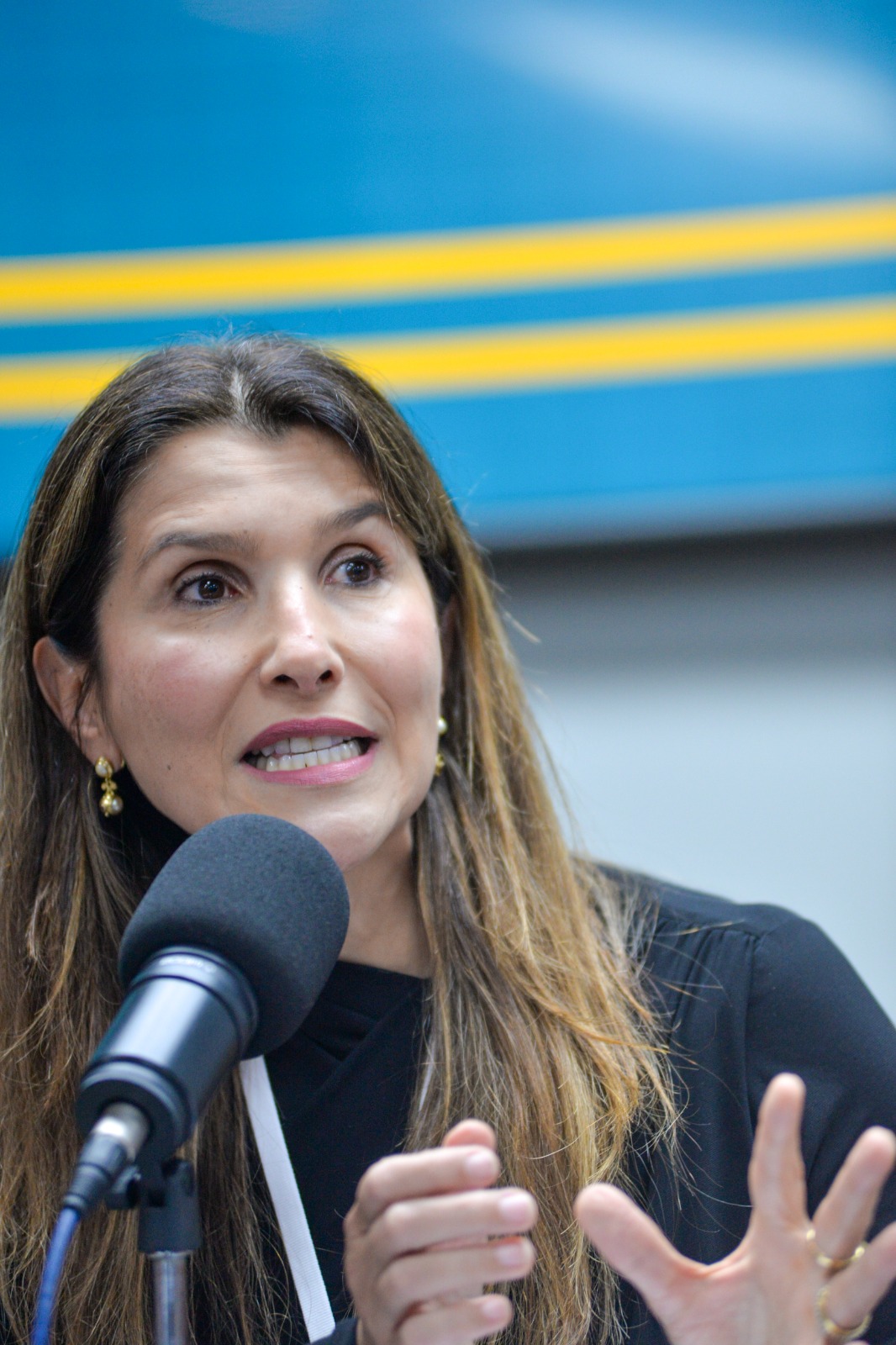
Ana Frazão Participates in the International Congress on Regulation, New Technologies and Human Rights.

Ana Frazão discusses AI regulation at an international convention at Unisinos

Teacher talks about risks, uncertainties and the precautionary principle at the International Digital Rights and Artificial Intelligence Congress in Porto Alegre

On 21 and 22 October 2026, Unisinos, in Porto Alegre (RS), hosted the International Congress on Regulation, New Technologies and Human Rights – Digital Rights and Artificial Intelligence. The event brings together experts to discuss the legal challenges brought by new technologies.

Ana Frazão is one of the guest speakers. She presents the theme "AI regulation: risks, uncertainties and precautionary principle" On the morning of October 21st, from 8:30 to 12:00, in 808 and 809. The lecture addresses how Law can respond to the risks of artificial intelligence in a scenario of deep uncertainty, and what is the role of the precautionary principle in the construction of an adequate regulatory framework.

📍 Unisinos – Porto Alegre/RS | Rooms 808 and 809
📅 October 21, 2026, from 8:30 to 12:00
🔗 Registration and programming: https://eventos.unisinos.br/inteliartif/


EDG and Insolvency – Main repercussions of environmental integrity for the discipline of the business crisis.

In a new column in JOTA, Ana Frazão discusses how the ESG agenda reframes the purposes of business recovery

Not every company in crisis must be saved at any price. Starting from her talk at the 5th Congress of the Center for Women in Corporate Restructuring, held in São Paulo on September 17, Ana Frazão argues that the success of recovery cannot be measured only by the approval of the plan by creditors. For her, recovery should be conditioned to the maintenance of activities compatible with environmental integrity.

The column examines who actually bears the costs of insolvency and the risks of financially "excellent" plans built on control cuts and social and environmental investments. It also addresses the need for a new reading of the fresh start and the interpretative challenges of article 47 of the bankruptcy law.

📖 Read the full column in the JOTA: https://www.jota.info/opiniao-e-analysis/columns/company-and-market/esg-e-insolvence

Ana Frazão column on Jota 01/10: Business secret and procedural secrecy – How to reconcile the protection of the secret with the right to proof and contradictory and the effectiveness of jurisdiction?

Ana Frazão discusses the limits of company secrecy in court and arbitration proceedings

New column article Constitution, Company and Market, from the portal JOTA, Professor Ana Frazão asks how reconcile the protection of business secrecy with the right to proof, contradictory and effective jurisdiction. The theme gains weight with the digital economy, in which many illicit conducts are practiced by opaque algorithms.

Business secret is not immunity

The article recognizes the importance of company secrecy to preserve the value created by economic agents and conditions of competition. But remember, if he's treated as absolute, he could become a real immunity before state or arbitral jurisdiction. According to the author, art. 206 of the Industrial Property Law itself admits the breach of secrecy in judgment, provided that there are due precautions.

Highlight Phrase:

"The secrecy of a company does not confer – and cannot confer – absolute protection on its holder in evidentiary terms."

Procedural solutions for a possible balance

The teacher proposes some paths for the judges:

  • consistent criteria for defining what business secrecy is;
  • adequate distribution of the burden of justifying secrecy and breach, including to avoid fishing expeditions;
  • granularized procedural secrecy, with versions of the documents with stripes;
  • confidentiality clubs, in which only a few lawyers, experts and the judge access the complete proof;
  • date rooms.

The text cites decisions of the STJ, such as the Take Off case and the figure of the digital inventor. It also warns of the risks of absolute protection of the source code in the digital economy.

Highlight Phrase:

"If the protection of the code is absolute, the agents who use it will have a true immunity to violate other people's rights without those affected being able to prove the violation."

The article reinforces Ana Frazon's contribution to the debate on business law, competition and proceedings.

🔗 Read the full article in JOTA: https://www.jota.info/opiniao-e-analysis/columns/company-and-market/company-and-process secret

Opens the Podcast Law and Economics with Ana Frazão: Law and Economy, with Nuno Garadera.

In the episode, Ana Frazão talks with Nuno Gaupera, Economist, Professor of Law at George Mason University, President of the European Association of Law and Economics and one of the world's largest authorities in the matter. The professor explains exactly what this area of research is and how the economy can help in designing legal rules and also in its enforcement. Among the topics explored are the relationship between economic analysis and neoclassical economy, other areas of the economy that need to be on the radar of jurists today, such as behavioral economy and institutional economy, as well as the differences between positive and predictive analysis, including for the purpose of recognizing the ideological side of the latter. Professor Gaupeira still deals with the difficulties and limitations of economic analysis, such as the challenges for predictions, the supposed neutrality and restrictions of quantitative methods. Finally, the teacher reflects on whether and to what extent the use of economic criteria in judicial decisions leads to decisions more to the market and how to find a path of balance between economic rationality and legal rationality.

September Digital Law Podcast premiere: META Billionaire Agreement

THE podcast EP#62 Digital Law, presented by the teachers Ana Frazão and Caitlin MulhollandIt's in the air. The episode analyzes the billionaire agreement that Meta closed in the United States to close the actions that accused it of designing Facebook and Instagram to make children and adolescents dependent.

A Historical Agreement

The agreement was announced in August and reaches about US$ 18 billion. It closes lawsuits filed by prosecutors-general of dozens of US states. The accusations said that the design of the platforms stimulated compulsive use, with impacts on the mental health of young people, and that consumers were deceived about the safety of services. The Meta keeps denying the charges.

Highlight Phrase:

" When the business model depends on the user's attention, the platform's own design becomes a legal issue."

From litigation to design regulation

The deal is not limited to value. It imposes concrete obligations on the company on how applications work:

  • restrictions on use by adolescents at night;
  • silencing of notifications at school hours;
  • limits to beauty filters and tanning count;
  • more stringent age checking mechanisms;
  • supervision by an independent auditor.

In the episode, the presenters discuss what the case reveals about the responsibility of the platforms for their architectural choices. They also deal with the limits of self-regulation, the protection of children and adolescents in the digital environment and the possible consequences of the debate for Brazil.

🎧 Listen to the full episode on Spotify: https://open.spotify.com/episode/4m8rsXZL20XKYFuEYhIsqh

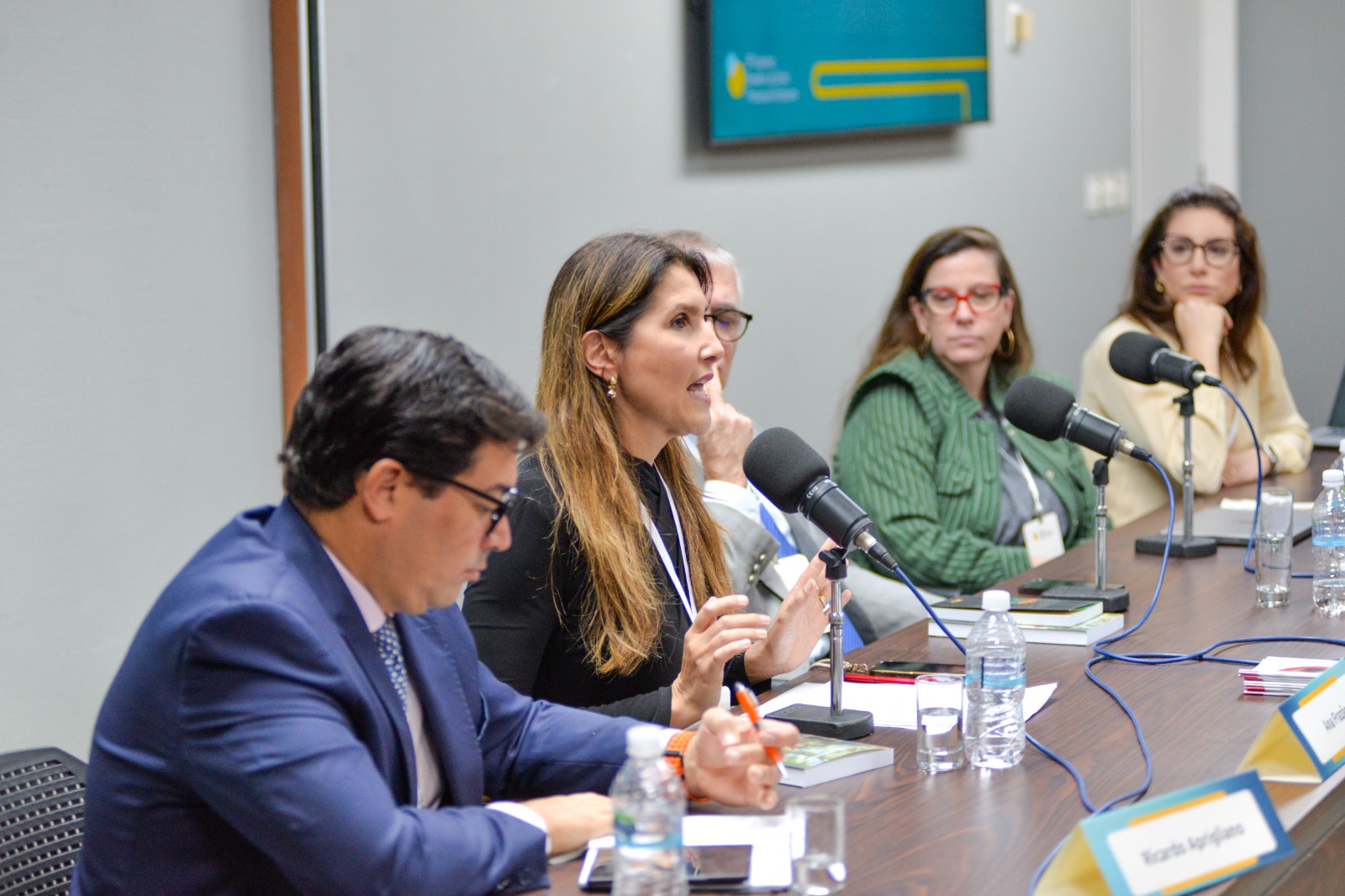
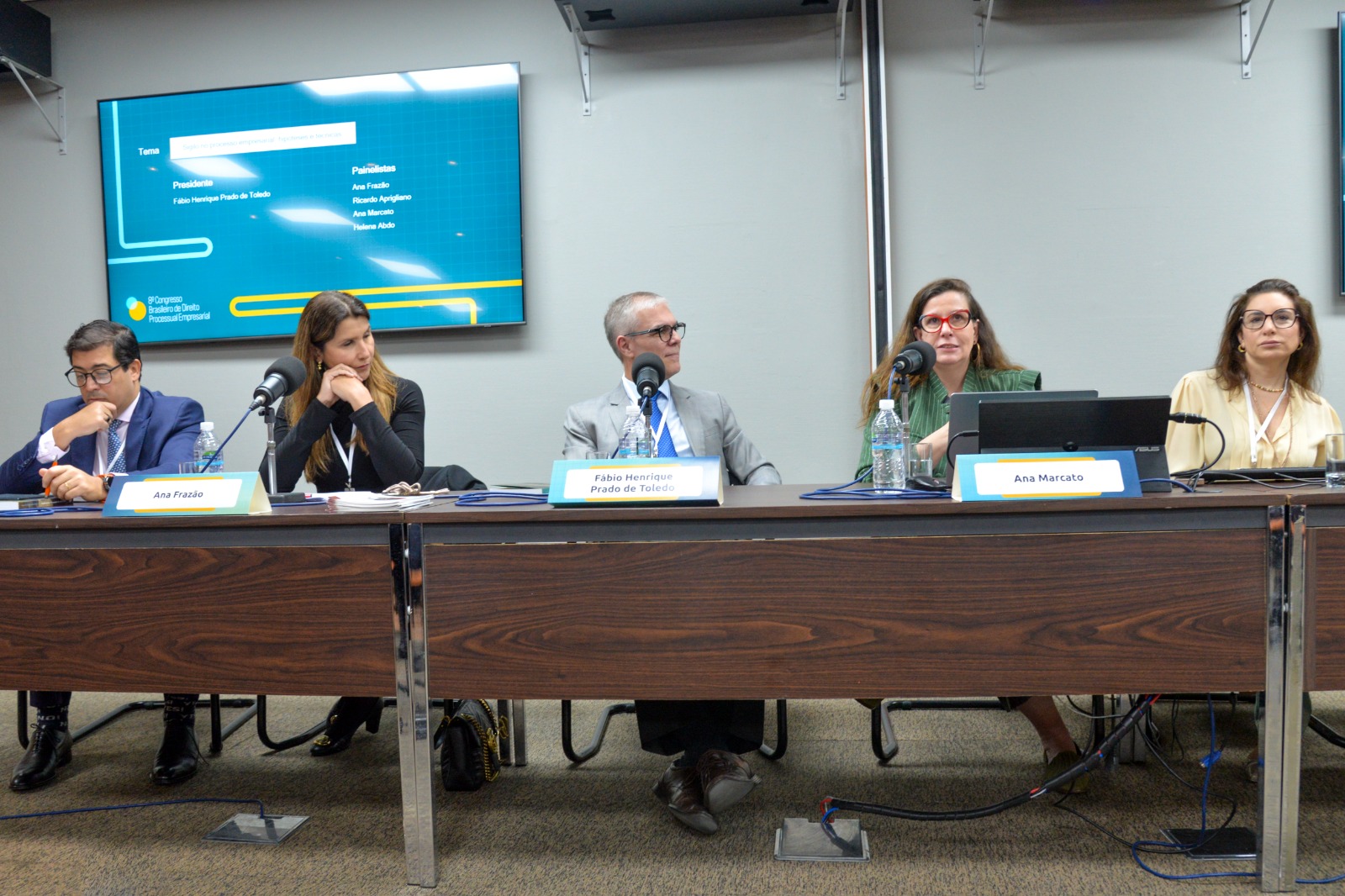
Ana Frazão participates in the 8th Brazilian Congress of Business Process Law

Professor Ana Frazão participated in the 8th Brazilian Congress of Business Process Law, held on 24 and 25 September 2026 in Auditorium of AASP, in São Paulo. The event was organized by Association Congress of Business Process Law (APROEMP).

The congress brought together some of the main names of business procedural law to discuss current issues and the course of discipline in Brazil. The organizing committee was formed by teachers Fábio Ulhoa Coelho, Flávio Luiz Yarshell, Guilherme Setoguti, Marcelo Guedes Nunes, Marcelo Godke and Uinie Caminha.

Secret in the business process

Ana Frazon integrated the panel "Sigital in the business process: hypotheses and techniques"September 24th. Professors Ricardo Aprigliano, Ana Marcato and Helena Abdo also participated, in moderation with Fábio Henrique Prado de Toledo.

The panel discussed an increasingly present challenge in business disputes: protecting sensitive information and company secrets without sacrificing the right to proof, contradictory and effective jurisdiction, whether state or arbitration.

Highlight Phrase:

"The secrecy of a company does not confer – and cannot confer – absolute protection on its holder in evidentiary terms."

Techniques to balance secrecy and proof

The teacher has been working on the subject. In recent column article Constitution, Company and MarketIt analyses techniques such as:

  • granularised procedural secrecy;
  • versions of the tarred documents;
  • confidentiality clubs;
  • date rooms.

All seek to reconcile the protection of secrecy with access to proof, especially in the digital economy, in which many illicits are practiced by opaque algorithms.

Highlight Phrase:

"It is necessary to find a balance between the protection of the company's secret and the other interests that are projected on judicial and arbitral proceedings."

Participation reinforces Ana Frazon's contribution to the debate on business law, process and competition.

🔗 Learn more about the event: https://enterprise.com.br/

Ana Frazão's column on the 24/09 Jota: Right of access to the digital world – New outlines of the discussion due to technological advances.

Ana Frazão analyzes the new contours of the right of access in the digital world

In article published on September 24, 2026 in the column Constitution, Company and Market, from the portal JOTA, Professor Ana Frazão discusses how technological advances are transforming the debate on the right of access. This subject has traditionally been dealt with by competitive and regulatory law based on the doctrine of essential facilities.

From physical bottlenecks to digital ecosystems

In the article, the teacher shows that competitive bottlenecks are no longer limited to physical infrastructure. They include platforms, operating systems, APIs, app stores, data sets, means of payment, cloud infrastructure and ranking. In this scenario, it's not enough to be on the platform. Positioning and visibility are decisive for rivalry.

Highlighted phrase:

"In the digital economy, the focus of the discussion ceases to be on those who own the infrastructure and move to those who have the governance of the technological ecosystem."

Data, interoperability and algorithmic governance

The text also addresses:

  • the debate on considering personal data as essential facilities;
  • the practical challenges of data sharing;
  • the role of interoperability;
  • the risks of lack of transparency in algorithmic governance, especially when the infrastructure holder competes with the users themselves.

The author also deals with the regulation ex antewith Digital Markets Act European and PL 4675/2025, known as "Brazilian DMA". It also mentions the new challenges brought by artificial intelligence and the green transition.

"It seems that we need a regulatory package that goes beyond competitive issues, and even with regard to them, it may require other approaches than that offered by traditional antitrust control of conduct."

The article reinforces Ana Frazon's contribution to the debate on competition, regulation and digital economy.

🔗 Read the full article in JOTA: https://www.jota.info/opiniao-e-analysis/columns/company-and-market/access-right-in-the-world-digital