In a new column in the JOTA, Ana Frazão discusses how the opacity of digital platforms compromises the integrity of the electoral process
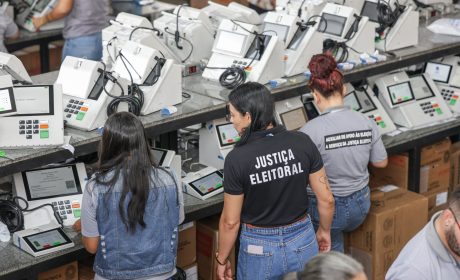
The voter cannot make a rational decision if he does not have access to the facts on the basis of which he can guide his choice. Based on this premise and three recent NetLab-UFRJ reports on TikTok, Kwai and Meta, Ana Frazão argues that the problem of political manipulation by algorithms, far from being solved, worsens each election. Recommendation of contents of candidates in disagreement with the electoral norm, advertising guidelines that do not fully comply with TSE requirements and advertisements without the label of electoral propaganda, driven by irregular advertisers, are some of the findings examined in the column.
The author shows that these are not episodic occurrences, but systemic failures, which reveal a "front rule, in which the formal adoption of policies and mechanisms of transparency produces an appearance of adherence to regulatory requirements without it being translated into its full implementation". The column warns that the greatest gravity is in what we cannot know — the extent of irregularities and the real capacity of institutions to monitor them — given the risk that "the destinies of brazilian democracy are decided by a private foreign algorithmic governance".
📄 Read the full column in the JOTA: https://www.jota.info/opiniao-e-analysis/columns/company-and-market/political-way-algorithms